
Guide — Orange County & Los Angeles County
Coastal Garage Door Maintenance: Beating Salt Air
Within a few miles of the ocean, salt air corrodes garage door hardware noticeably faster than inland — springs, tracks, hinges and cables all age ahead of schedule. A simple rinse-and-inspect routine, better hardware and an annual service keep coastal doors moving for years.
Homes in Newport Beach, Huntington Beach and along the South Bay shoreline live by a different maintenance calendar.
What Salt Air Actually Does?
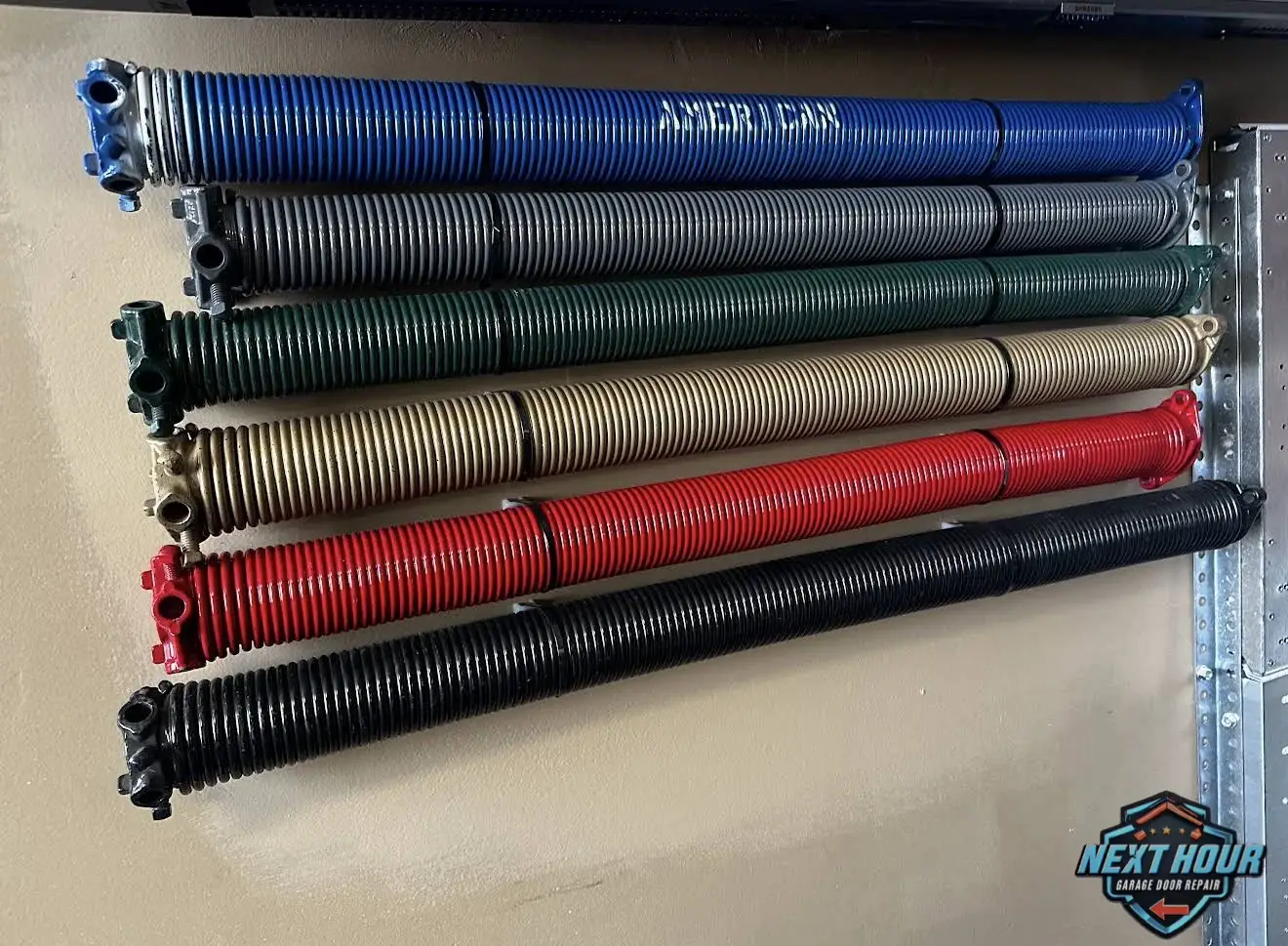
Salt does not damage a door all at once — it works by film. Every humid onshore flow leaves a thin salty layer on steel, and that layer holds moisture against the metal long after the air dries. Springs pit, hinge pins stiffen, track surfaces roughen and lift cables fray at their fittings sooner than the same parts last inland. Photo-eye lenses film over too, which is why coastal doors develop the frustrating "closes most of the time" habit. The good news: every one of those failure points responds to routine care.
Hardware That Holds Up Near the Ocean
When parts are replaced on a coastal home, material choice matters more than brand. The table below is the practical upgrade path we use on beach-side doors.
| Component | Inland standard | Coastal upgrade |
|---|---|---|
| Tracks | Galvanized steel | Powder-coated or heavier-gauge galvanized, wiped down regularly |
| Rollers | Steel | Nylon or sealed-bearing rollers — no bare steel at the track |
| Lift cables | Standard galvanized | Coated cables, checked for frays at the drums |
| Hinges | Standard steel | Corrosion-resistant coated hinges, pins kept lubricated |
| Door skin | Uncoated steel sections | Quality factory finish or corrosion-resistant aluminum options |
| Springs | Standard oil-tempered | Coated springs; annual inspection weighted toward rust bloom |
No hardware is maintenance-free at the beach — coated parts just buy you time between services instead of trading a decade for a few years.
The Coastal Rinse-and-Inspect Routine
This is the whole program, and it takes minutes per month:
- Monthly: fresh-water rinse. Hose the door, tracks and lower hardware with fresh water to strip the salt film. Gentle spray only — never pressure-wash into the opener, sensors or electrical parts.
- Monthly: wipe and look. While the door is dry, run a cloth along the tracks and check hinge pins and the bottom seal for orange dust (early rust) or white powder (oxidized coating).
- Quarterly: lubricate. Silicone or lithium products on rollers, hinges and bearing points; a light coat on the track, not a puddle.
- Quarterly: test the sensors. Clean both photo-eye lenses and run the reversal test with a broom handle.
- Twice a year: cable and spring check. Frayed strands at the drums or rust blooming on a spring are same-week calls, not someday items.
- Annually: professional service. A tech checks spring tension, balance, opener force settings and everything on the list above in one visit.
When to Call Instead
Rinsing and lubricating are homeowner work. The moment the list touches springs, cables or anything under tension, stop — those parts store enough energy to cause real injury. Book the rest with us:
- Folding the coastal routine into a full seasonal schedule — our garage door maintenance checklist pairs with this guide.
- Homes in Newport Beach and Huntington Beach — our trucks cover both cities daily, salt-aware service included.
- Rust on springs, frayed cables or a door that has started binding — a maintenance and tune-up visit handles it before it becomes a breakdown.
Coastal Maintenance FAQs
How often should a coastal garage door be serviced?
Rinse and wipe monthly, lubricate quarterly, and book a professional service annually — twice a year for homes right on the water or in heavy spray zones.
What corrosion signs matter most?
Rust blooming on springs, fraying at lift cables, pitted track surfaces and stiff hinge pins. The first two are urgent; the rest are schedule-it items.
Can I just hose the door down?
Yes — fresh water is exactly right. Use a gentle spray, avoid blasting the opener, sensors and electrical parts, and let everything dry before running the door.
Are some door materials better for beach homes?
Coated steel and aluminum resist salt better than bare or worn finishes, and nylon rollers outlast steel near the coast. The finish quality and the care routine matter more than the material label.